"It really seems like anyone with some renders and a white paper written by someone being gassed up by an overly agreeable AI can get VC funding these days."
That gives you a heat rejection capacity of less than 140 kW (mind you, that is total heat rejection, incl. heat from the sun, support systems etc., only a part of that can be used to cool servers) So you settle for laughably low compute to keep radiator size somewhat reasonable, yet still massive and heavy.
The ISS is rated for 84kw but is run max at 70kw, probably for margin of error and whatnot since its for human saftey, which these will not be. They can also probably run hotter, (edit reducing the size).
Building something the size of an (unmanned) space station for a single server rack. Yes, it makes no sense. The energy needed to lift all that stuff into orbit, the comically inefficient cooling and never mind the issues of impact damage and radiation and inability to do any service (without huge effort) if things go wrong.
Just put that server rack in Iceland with geothermal power and closed loop heat pump. But then the tech oligarchs would have to comply with laws and that is probably the reason they want it up in space. There surely is no technical reason for it.


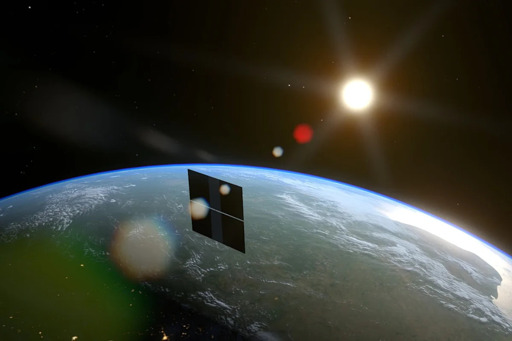
Around or less than twice the size of the ISS radiator.
That gives you a heat rejection capacity of less than 140 kW (mind you, that is total heat rejection, incl. heat from the sun, support systems etc., only a part of that can be used to cool servers) So you settle for laughably low compute to keep radiator size somewhat reasonable, yet still massive and heavy.
The ISS is rated for 84kw but is run max at 70kw, probably for margin of error and whatnot since its for human saftey, which these will not be. They can also
probablyrun hotter, (edit reducing the size).The compute is 125kw avg per dish. 150 peak.
You do need margins not just for humans.
Building something the size of an (unmanned) space station for a single server rack. Yes, it makes no sense. The energy needed to lift all that stuff into orbit, the comically inefficient cooling and never mind the issues of impact damage and radiation and inability to do any service (without huge effort) if things go wrong.
Just put that server rack in Iceland with geothermal power and closed loop heat pump. But then the tech oligarchs would have to comply with laws and that is probably the reason they want it up in space. There surely is no technical reason for it.